

Managing your personal finances doesn’t have to require a degree in accounting or hours spent staring at complex spreadsheets. If you are looking for simple and effective personal finance tips, you have likely come across various budgeting methods. However, few are as universally recommended and easy to implement as the 50/30/20 rule.
In this comprehensive guide, we will get the 50 30 20 budget rule explained in simple terms. Whether you are figuring out how to create a monthly budget for the first time or looking for a structured debt payoff strategy, this framework provides a clear roadmap to financial stability.
What is the 50/30/20 Budget Rule?
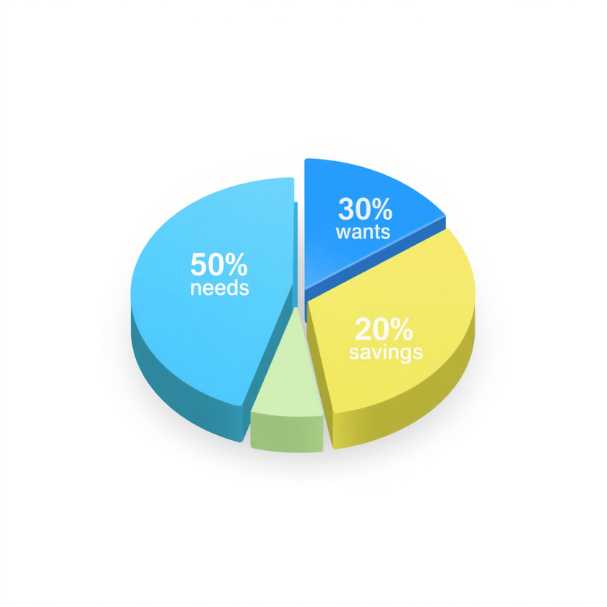
Popularized by Senator Elizabeth Warren in her book All Your Worth: The Ultimate Lifetime Money Plan, the 50/30/20 rule is an intuitive budgeting framework that divides your after-tax income (your net pay) into three primary categories:
- 50% for Needs
- 30% for Wants
- 20% for Savings and Debt Payoff
Instead of micro-managing every single cent you spend, this method gives you a macro-level view of your finances. It ensures that your essential living costs are covered, allows you to enjoy your hard-earned money guilt-free, and guarantees that you are consistently building a secure financial future.
Breaking Down the 50/30/20 Method
To successfully implement this strategy, you need to understand exactly what falls into each category.
50%: Your Absolute Needs
Half of your after-tax income should be allocated to essential expenses. These are the bills that you absolutely must pay to survive and function in society. If you were to lose your job tomorrow, these are the expenses that would remain.
Common “Needs” include:
- Housing (Rent or mortgage payments)
- Utilities (Electricity, water, gas)
- Groceries and essential food items
- Basic transportation (Car payments, gas, or public transit passes)
- Minimum loan payments (The bare minimum required to avoid penalties)
- Essential insurance (Health insurance, auto insurance)
Pro Tip: If your needs exceed 50% of your income, you may need to look for ways to downsize your lifestyle or explore side hustle ideas for extra income to balance your budget.
30%: Your Wants
This is the category that makes the 50/30/20 rule so sustainable. Unlike restrictive diets that cause you to binge later, a good budget allows you to enjoy life. 30% of your income is dedicated to discretionary spending.
Common “Wants” include:
- Dining out and ordering takeout
- Entertainment (Concerts, movies, sporting events)
- Subscriptions (Netflix, Spotify, gym memberships)
- Travel and vacations
- Shopping for non-essential clothing and gadgets
20%: Savings, Investing, and Debt Payoff
The final 20% is the engine of your financial growth. This portion is dedicated to securing your future and eliminating toxic debt.
How to allocate this 20%:
- Emergency Fund: Before investing, focus on how to save for an emergency fund. Aim to keep 3 to 6 months’ worth of living expenses in a liquid account.
- High Yield Savings Account: For short-term goals, parking your money in the best high yield savings account ensures your cash grows faster than it would in a traditional bank.
- Debt Reduction: If you have high-interest consumer debt, apply a strong debt payoff strategy (like the debt avalanche or debt snowball method) using this 20% allocation.
- Investing: Once your high-interest debt is cleared and your emergency fund is fully funded, funnel this 20% into your retirement accounts or brokerage accounts.
Step-by-Step: How to Create a Monthly Budget Using 50/30/20
Ready to take control of your money? Follow these simple steps to set up your 50/30/20 budget today.
Step 1: Calculate Your After-Tax Income Look at your pay stub and determine exactly how much money hits your bank account each month after taxes and deductions. If you are budgeting for freelancers, calculate your average monthly income over the past six months to get a realistic baseline.
Step 2: Categorize Your Spending Look at your bank and credit card statements from the last 30 days. Divide every transaction into the Needs, Wants, or Savings/Debt categories.
Step 3: Adjust Your Habits Compare your current spending to the 50/30/20 target. Are you spending 45% on Wants and only 5% on Savings? Identify areas where you can cut back (like canceling unused subscriptions) and redirect those funds to your 20% savings goal.
Step 4: Automate Your Finances The best way to stick to a budget is to remove human error. Set up automatic transfers so that 20% of your paycheck goes directly into your savings or investment accounts the moment you get paid.
Leveraging the Best Budgeting App to Stay on Track

While you can track the 50/30/20 rule using a simple pen and paper or a basic spreadsheet, utilizing technology can make the process effortless.
Finding the best budgeting app or an automated expense tracker app allows you to link your bank accounts safely. These apps automatically categorize your transactions into Needs, Wants, and Savings, giving you a real-time pie chart of your financial health. This visual feedback is crucial for stopping overspending before it happens.
Is the 50/30/20 Rule Right for You?
The 50/30/20 rule is an excellent starting point for anyone learning how to budget money. It provides a clear, actionable framework without the stress of micro-tracking every penny.
However, remember that personal finance is exactly that—personal. If you live in a high-cost-of-living city, your “Needs” might temporarily take up 60% of your income. If your goal is aggressive early retirement (FIRE), you might adjust the rule to 40/20/40 to maximize your savings.
The ultimate goal is to build a habit of financial awareness. Start tracking your money today, prioritize your debt payoff, and watch your financial confidence grow.
Disclaimer: The information provided on MoneyRouteGuide.com is for educational and informational purposes only and does not constitute financial, investment, or legal advice. Always consult with a certified financial professional before making major financial decisions.